Biophilic design in your home - bringing nature indoors
In today's fast-paced and technology-driven world, finding ways to reconnect with nature is becoming increasingly important. One way to achieve this is through biophilic design, a concept that brings elements of nature into your home, creating a harmonious and rejuvenating living space. In this blog post, we will explore the wonders of biophilic design and discover how you can transform your home into a tranquil oasis.
What is biophilic home design?
Biophilic home design is an approach that seeks to incorporate natural elements into the built environment, fostering a deep connection with nature. It goes beyond simply adding a few houseplants or opening a window for fresh air. Biophilic design aims to mimic nature's patterns, textures, colors, and even sounds, creating a seamless integration between indoor and outdoor spaces.
How to incorporate biophilic design into your home
Creating a biophilic home is easier than you might think. Here are a few practical tips to get you started:
Open up your space to as much natural light as possible. Remove heavy curtains and embrace sheer fabrics or blinds that allow sunlight to filter through. Natural light not only enhances the aesthetic appeal of your home but also has numerous health benefits.
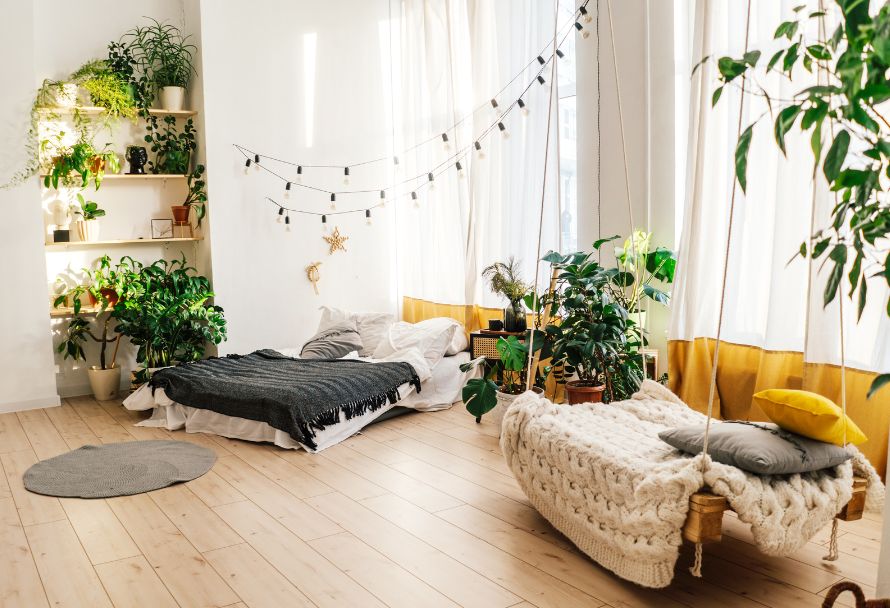
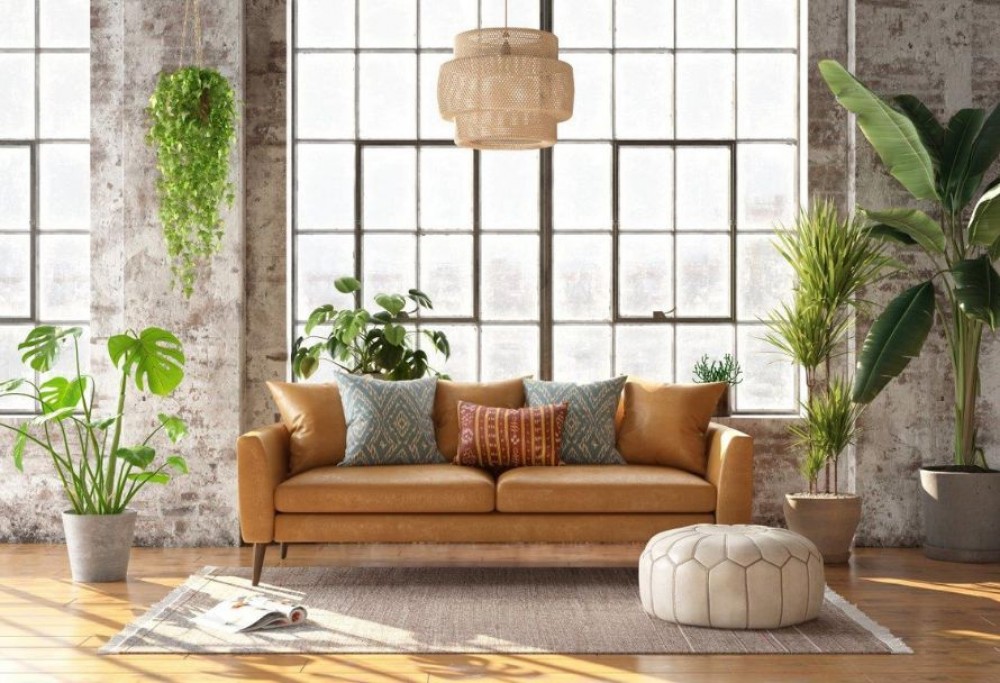
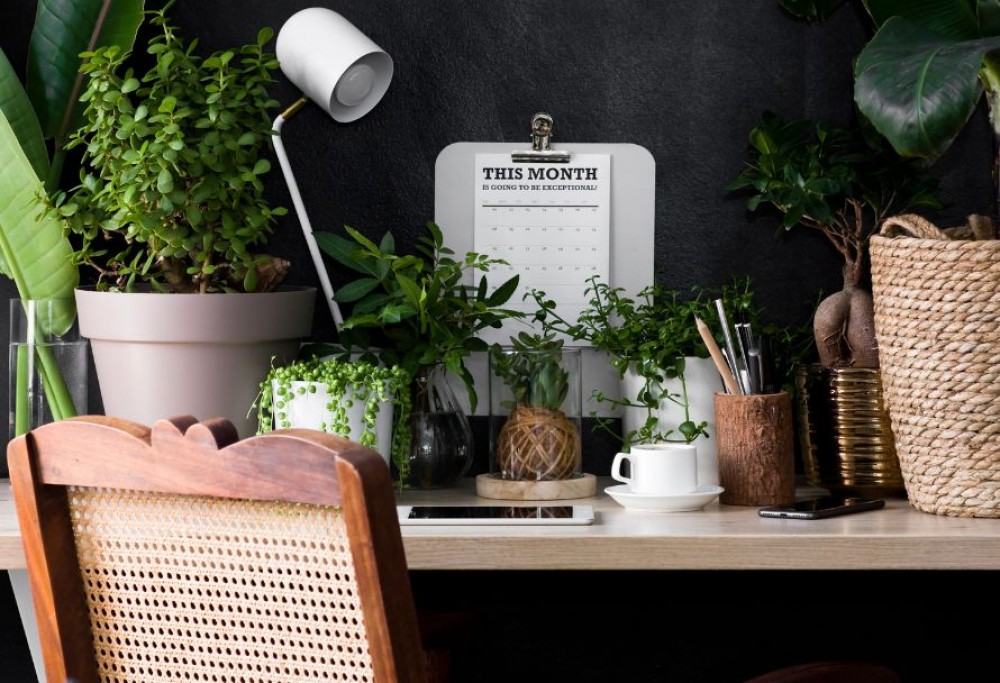
Introduce plants into every room, from small potted plants on shelves to hanging planters or vertical gardens. Choose a variety of plant species to create a diverse and vibrant indoor garden. Not only do plants add a touch of natural beauty, but they also improve air quality and promote a sense of well-being.
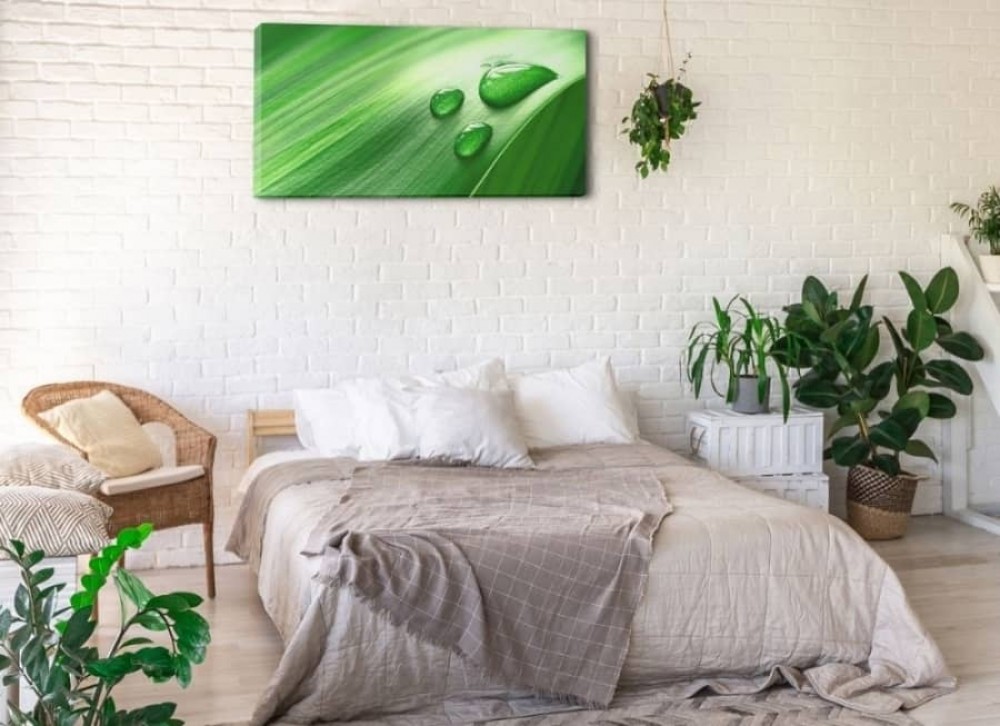
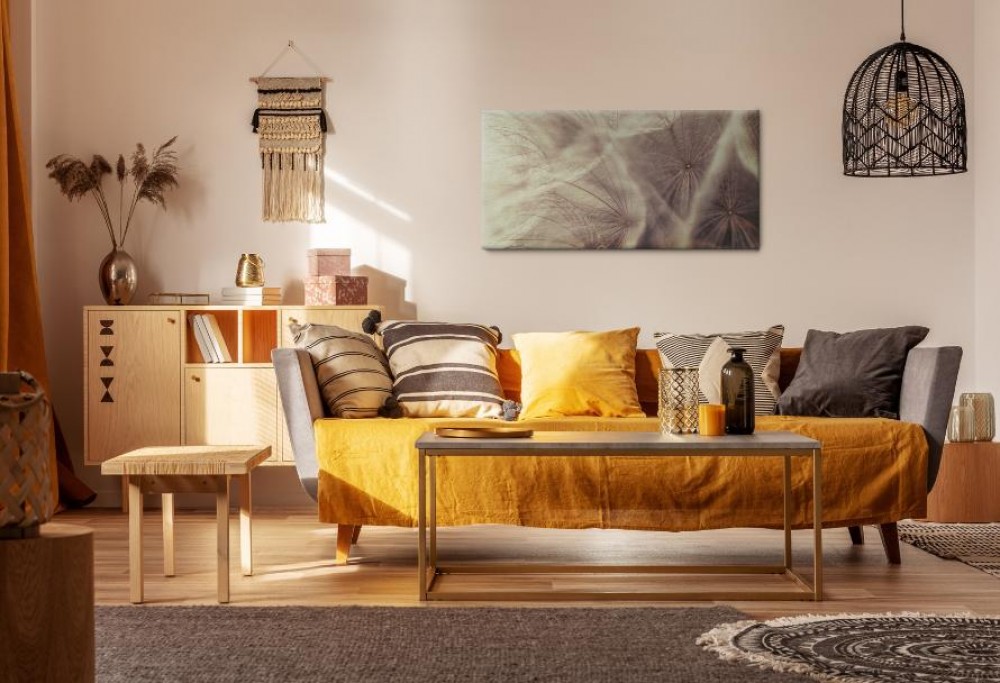
Opt for earthy tones and colors found in nature. Soft greens, warm browns, calming blues, and gentle neutrals can evoke a soothing and tranquil ambiance. Consider using natural materials like wood, stone, and bamboo to enhance the organic feel of your home.
Adorn your walls with nature wall art prints - showcase breathtaking landscapes, botanical illustrations, or wildlife scenes. These art pieces not only add visual interest but also serve as a reminder of the beauty and serenity of the natural world.
What are the senses of biophilic design?
Biophilic design appeals to our senses in various ways. Here are the five senses of biophilic design:
Visual: Visual stimuli, such as natural light, greenery, and scenic views, create a sense of calmness and beauty.
Auditory: Incorporating natural sounds, like trickling water or birdsong, can enhance relaxation and mask unwanted noise.
Tactile: Using natural materials with different textures, such as smooth stones or rough wood, engages our sense of touch.
Olfactory: The subtle scents of flowers, herbs, or essential oils can infuse your home with soothing and refreshing fragrances.
What are three benefits of biophilic design?
Enhanced well-being: Biophilic design has been proven to reduce stress, improve mood, and increase productivity. The presence of nature indoors has a calming effect on our minds and promotes overall well-being.
Improved air quality: Indoor plants act as natural air purifiers, removing harmful toxins and releasing oxygen. Cleaner air leads to better respiratory health and a more comfortable living environment.
Connection with nature: By bringing elements of nature into your home, you establish a deeper connection with the natural world. This connection fosters a sense of harmony, tranquility, and a greater appreciation for the environment.
Is biophilic design expensive?
Contrary to popular belief, incorporating biophilic design principles into your home doesn't have to break the bank. While certain features, such as living green walls or large skylights, may involve higher costs, there are plenty of affordable options available. Simple additions like potted plants, natural materials, and nature wall art prints can make a significant impact on the overall biophilic experience without a substantial financial investment.
Living surrounded by greenery and natural materials
Embracing biophilic design in your home can transform your living space into a sanctuary of tranquility and well-being. By integrating natural elements, colors, and textures, you create an environment that nurtures a deep connection with nature. The benefits of biophilic design are numerous, from enhanced well-being and improved air quality to a heightened sense of harmony and appreciation for the natural world. So, why not embark on this journey and bring the beauty of nature indoors?