A fireplace is more than a heating appliance. It is a practical source of heat, the focal point of the living room, and an element that can create a cozy atmosphere and an almost magical ambiance. At the same time, its immediate surroundings are exposed to high temperatures, dust buildup, and accidental damage. Therefore, answering the question of how to decorate the wall by the fireplace and in challenging spots requires a combination of creativity, technical knowledge, and common sense. Decoration should enhance the room’s aesthetics, but must not compromise safety or functionality.
The wall by the fireplace - safety before decoration
Before you choose a color, texture, or unique pattern, plan how to protect the wall and the floor. The fireplace enclosure should be made of non-combustible materials matched to the specific insert and the method of heat distribution. In this area, the manufacturer’s recommendations, the installation design, the distance from combustible materials, and providing proper ventilation are all crucial.
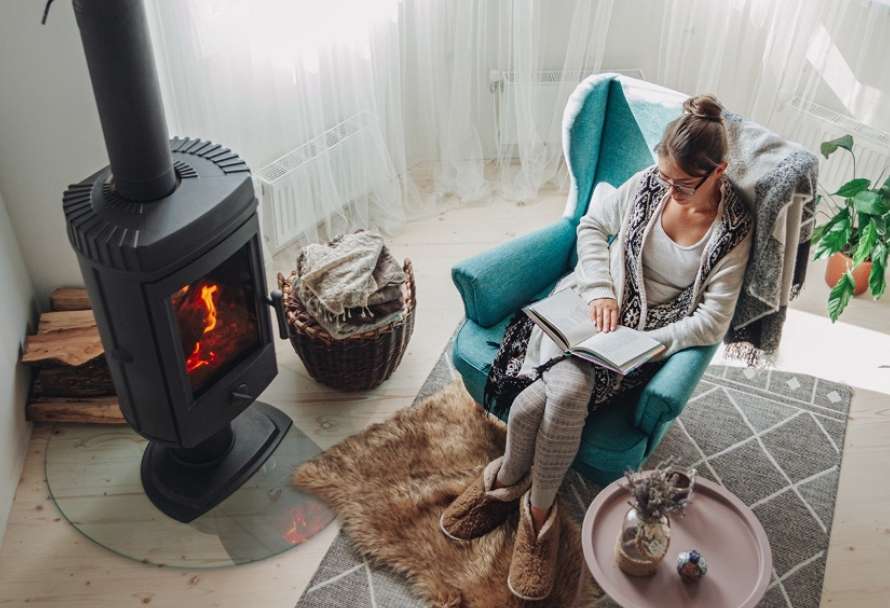
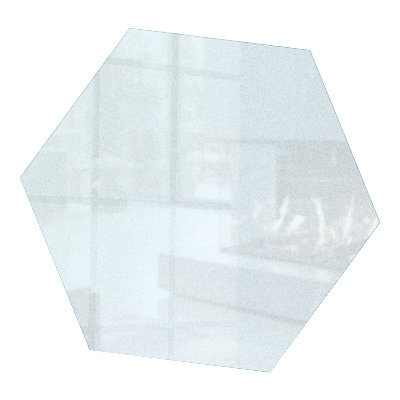
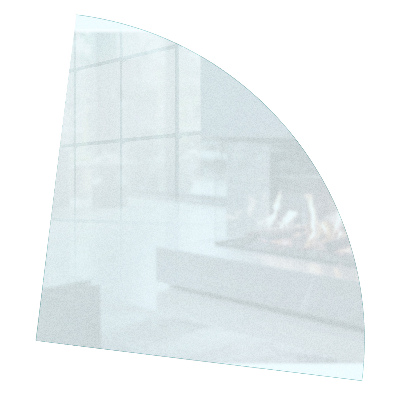
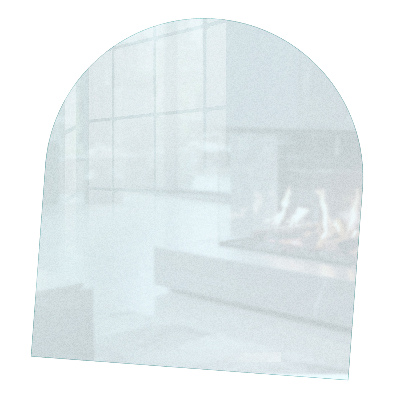
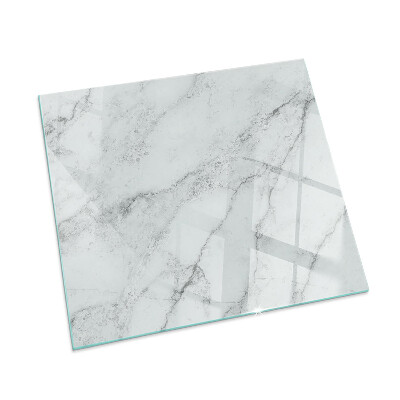
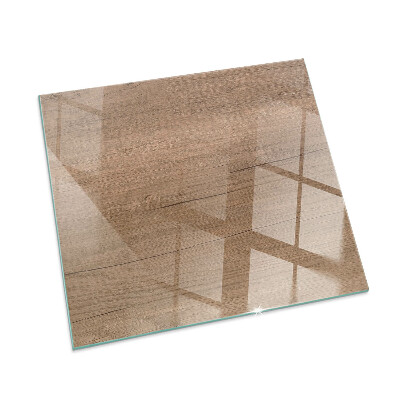
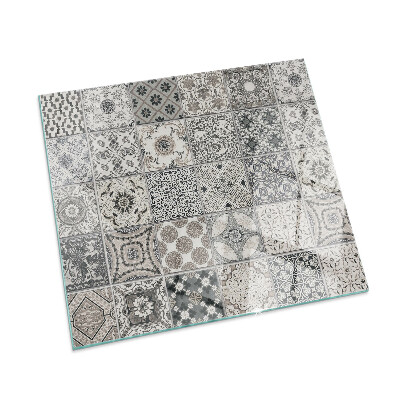
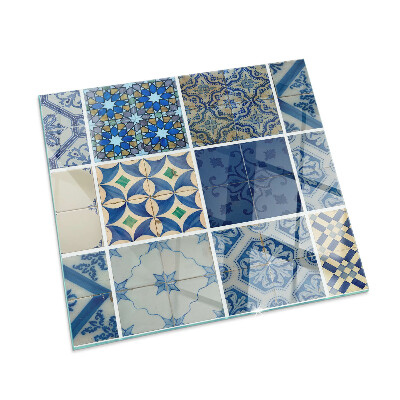
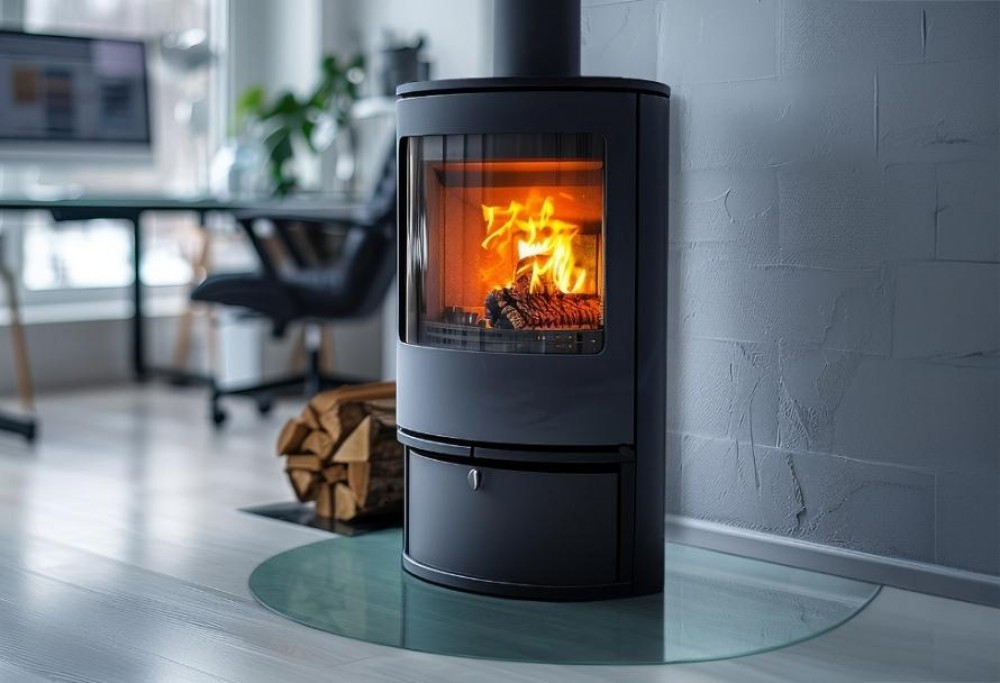
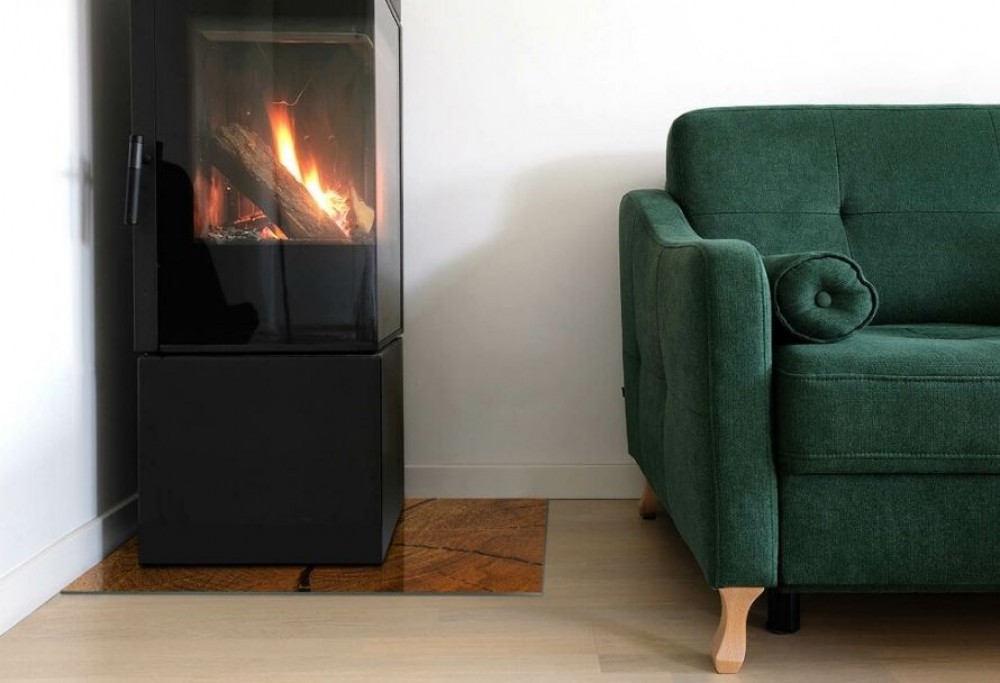
The firebox should be placed on a stable, level, and non-combustible base. If the floor is made of an easily flammable material, a strip of non-combustible material must be installed in front of the door. In this application, ceramic tiles, natural stone, steel, or appropriately selected glass hearth plates. Such a cover protects the floor surface from embers, dirt, and damage, and is easy to clean.
For a freestanding stove, the choice of wall protection depends on the appliance’s construction, the type of partition, the shielding used, and the manufacturer’s instructions. General requirements for metal stoves may call for a greater clearance from unshielded combustible parts. Remember that some components of the insert and pipes can reach temperatures exceeding 200°C.
Ventilation gaps are equally important. In many systems it is recommended to leave ventilation gaps of about 2-3 cm, but their size and placement should always follow the appliance’s technical documentation. Lack of airflow can lead to cladding overheating, loss of durability, and in extreme cases a fire hazard. Ordinary acrylic paints do not provide thermal protection. At temperatures of around 60-100°C they may discolor, peel, or lose their properties, depending on the specific product.
Stone, brick, concrete or tiles - which wall finish to choose?
The best wall finish combines heat resistance, durability, and a match to the interior style. Popular solutions include stone, brick, architectural concrete, and ceramic tiles. A wide range of sizes, colors, and textures allows you to create a cohesive composition both in a small living room and in a spacious interior.
During installation, pay attention not only to the cladding but also to adhesives, grouts, mortars, and primers. All products used near the fireplace must be rated for high temperature. Even the most durable material will not do its job if it is installed with the wrong adhesive.
Natural stone, for example granite or marble, adds elegance, withstands heavy use, and retains its appearance for a long time. Massive claddings store heat, so the area around the firebox remains pleasant even after the fire has gone out. A lighter solution is stone veneer, which is thin and moisture-resistant. However, you must check that the entire mounting system is approved for such an application.
Decorative brick and the texture of raw brick add warmth and depth to the interior. It is an excellent way to achieve a rustic style, but also an industrial décor. In an industrial style, brick can be combined with steel, black accents, and concrete. Steel decorative panels are resistant to heat and suit modern interiors. Architectural concrete gives a raw, orderly look, but requires boards of appropriate thickness and proper substrate preparation.
How to create a harmonious arrangement around the hearth?
Decorating the wall requires balancing aesthetics and functionality. First, decide what effect you want to achieve: light and cozy, elegant, rustic, or raw and minimalist.
In a Scandinavian style, opt for light colors, simple cladding, natural materials, and a limited number of accessories.
Rustic style works well with stone, brick, and wood, but wooden elements must be kept away from the heating zone in line with technical requirements.
Concrete, steel, graphite tones, and the texture of old masonry create an industrial character.
Light stone, delicate tiles, and simple plaster help create a harmonious arrangement that suits both classic and modern interiors.
A large mirror hung above the fireplace can significantly affect the proportions and aesthetics of the interior. It reflects light, making the room feel larger and the living area brighter. However, the mirror, artwork, or other decorative elements must be installed outside the excessive heating zone. The same rule applies to the TV, plants, frames, and textiles.
Built-in cabinetry around the fireplace can include bookshelves, cabinets, or a place for ceramics. It allows you to create a cohesive composition, but wood and furniture boards must not encroach on the required clearances. You can opt for asymmetrical shelves, a geometric layout, or a cascading gallery of graphics in the cooler part of the wall. Concealed LED strips will further emphasize the cladding texture and create atmospheric lighting. Fixtures, wires, and power supplies should be located outside the area affected by high temperatures.
How to combine durability, aesthetics, and everyday convenience?
The choice of wall protection depends not only on appearance but also on temperature, moisture, usage, and the type of substrate. In areas exposed to soot, dust, touch, and dirt, it is worth choosing smooth materials that are resistant to damage and easy to clean. Rough brick offers a unique look, but requires more maintenance than glass, porcelain stoneware, or polished stone.
Before purchasing, check the technical data sheet of each product. The material for the wall by the fireplace should be non-combustible or part of a tested system resistant to high temperatures. This rule also applies to primers, sealers, adhesives, grouts, and profiles. Do not choose a finish based solely on a photo or color. A key factor is the compliance of the entire assembly with the insert’s instructions, the ventilation design, and the installation conditions.
Aim for proper proportions as well. Dark stone over an entire wall can overwhelm small rooms, whereas light cladding and a mirror will visually open up the space. If the fireplace has a decorative, elaborate surround, the remaining walls should be calmer. When the firebox form is simple, you can choose a stronger accent, a unique pattern, a steel panel, or a plaster with a concrete-like texture.
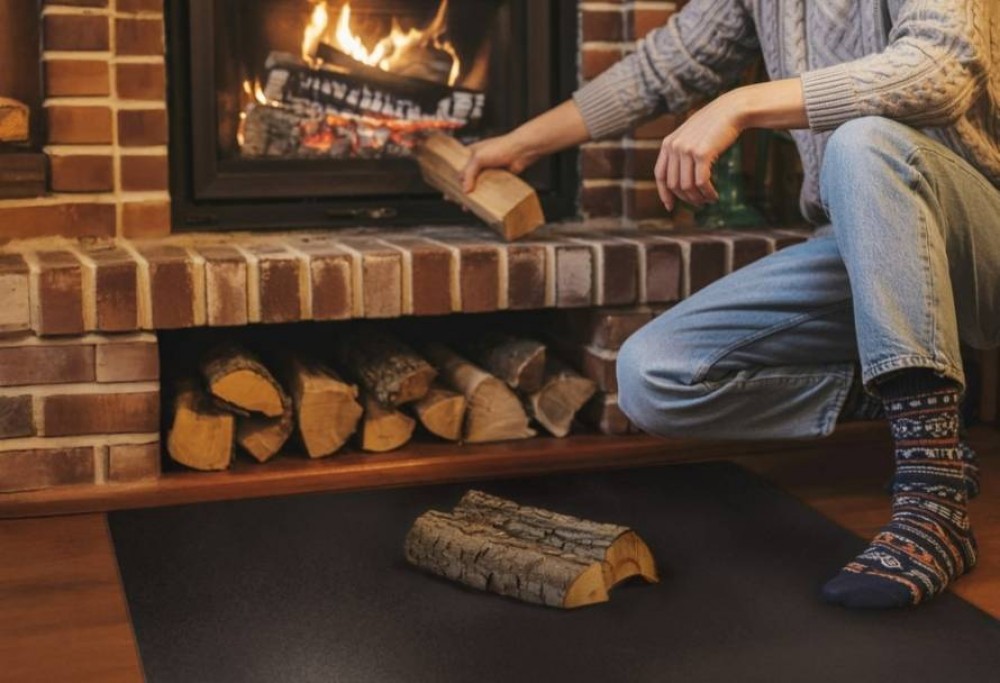
Plants can be a decoration both inside and outside the home, but in the living room they should be placed outside the stream of hot air. Pots, baskets, textiles, and firewood should also not be too close to the hearth. A space planned this way will retain durability, safety, and aesthetics, and the living room will become a comfortable place to relax.
Challenging spots with new potential
The wall with a fireplace can heat, protect, and decorate at the same time. Success depends not on one spectacular material, but on a combination of a stable substrate, non-combustible materials, proper clearances, adequate ventilation, and a finish suited to the interior style. Stone, brick, architectural concrete, ceramic tiles, steel, or decorative plaster will work perfectly in this role if used as intended.
Remember that arranging the space around the fireplace is an investment for years to come. Paying attention to technical details at the design stage will later let us enjoy not only the safe warmth of the home hearth, but also a stunning visual effect that defines the character of the entire living room.